Last week I went on a walking tour of my new home, Pápa. The experience was great because I not only learned a ton about the city, but was also able to meet a lot of awesome people too! One of my favorite things about my new community is getting to know people from different backgrounds and nationalities who now live here too.
I’ll start this off with a little bit of background on the area and then specifically the awesome places I was able to visit.
Where Are We?

In this case, not the red-dot. That’s the capital. We’re in Veszprém County. The green area on the left almost the color of my bathroom in Charleston. One of the best parts of Pápa is that it sits at the foothills of the Bakony Mountains. After ten years in the flat Lowcountry, its nice to see some elevation!
Pápa and Hungary are old AF
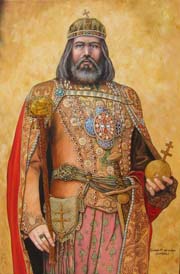
First mentioned in 1061 (literally close to 1000 years ago), Pápa was named after a Bavarian knight who became the head of the first royal manor in Veszprém County. He earned this title after helping King Stephen I (the first King of Hungary, who also established the country) fight off his relative Koppány to keep the crown.
During the Middle Ages Pápa was an important center for Protestantism; it was also an area for Jewish settlements as well. Hungary’s location between Europe and Russia has caused the country years of loss and hardship, particularly during the two world wars. The Hungarians first sided with the Germans during WWI and then again during most of WWII. As a country, Hungary tried to switch over to join Allied forces toward the end of the war, causing the Germans to invade after previous years of Soviet fighting. The population of the Jewish community in Pápa suffered greatly as a result, first by the Soviets and then the Germans.
I’m totally a nerd for Soviet history, particularly its effect on nationalism on occupied countries. I think I’ll have to do a separate post on all of the years between WWI-1989 because its super interesting and has a had a ton of impact on culture and society within Hungary, but I’ll spare you that for now.
After WWII, the Soviets occupied the country until its dissolution in 1989.

In 1999 Hungary joined NATO and in 2004, the EU. In 2007, the Pápa Air Base was selected by NATO as the Main Operating Base for the Heavy Airlift Wing, which is how Chris and I ended up here.
Pápa looks a lot like it did in the late 1700’s because it was given protective status during that time. The city has a couple of really beautiful and historic landmarks that I was able to visit and learn more about during my walking tour. Let’s get to them!
The Sights
The Great Church
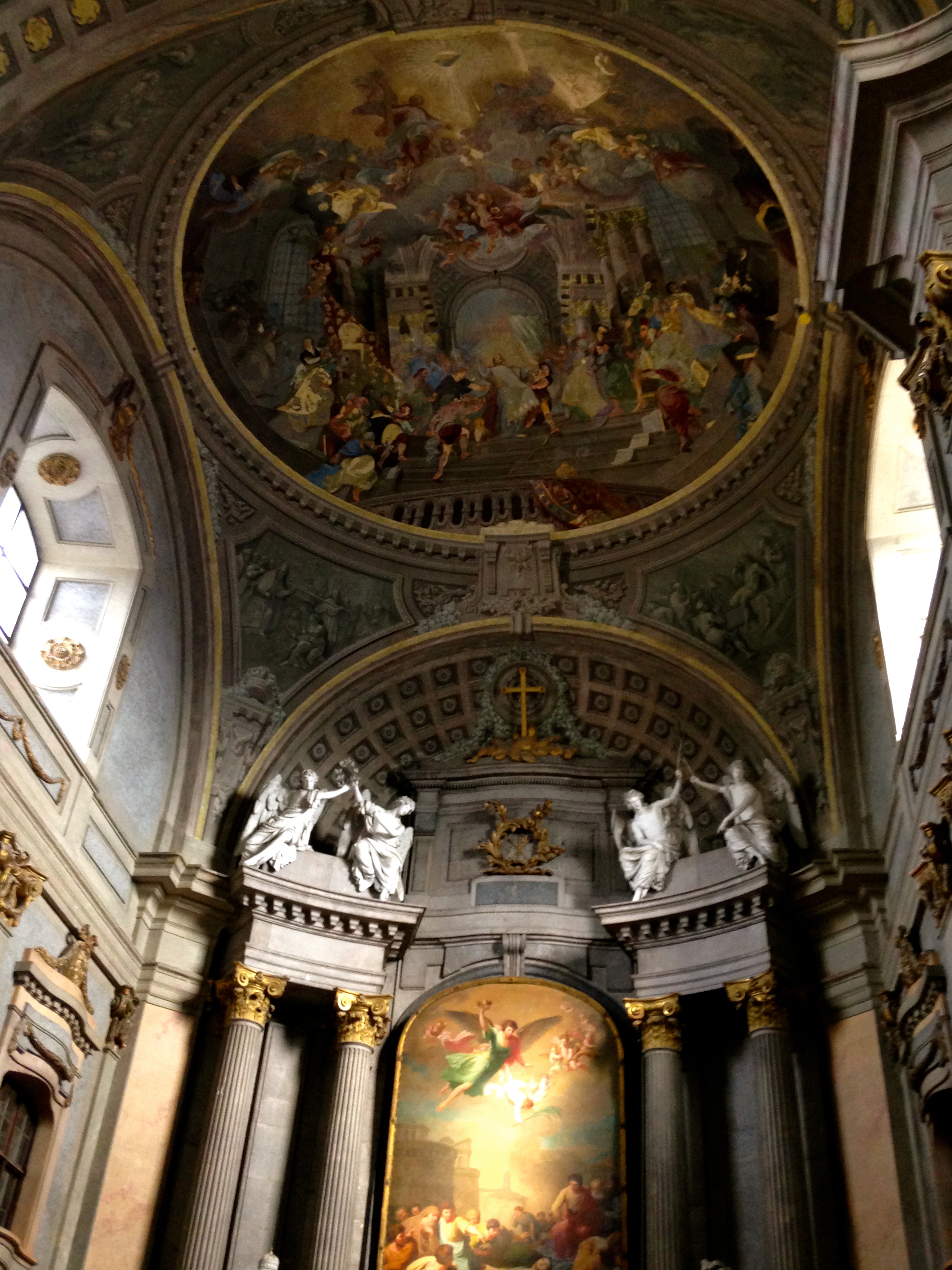 Located in the center of town, the Great Church was built around 1776 and survived numerous hardships including Soviet occupation, lightening strikes, and my personal favorite: when a couple of schoolchildren attempted to burn it down at the turn of the 20th century.

Our tour was led by the most amazing retired Hungarian Art History teacher in red suspenders of all time. One of the best parts of this tour was the fact that we got to listen to everything in Hungarian, then translated to English by our awesome translator.
The church is also the home to this guy. Definitely one of the oddest moments of my life: walking into a room and casually being introduced to a long-gone Roman martyr.
 Our Hungarian host noted that it was a good thing the Soviets didn’t find him or else they would have stolen all of his jewels.
You can climb to the top of the church, which I attempted before saying fuck it at the last set of stairs. My fear of heights is only reinforced by 3 sets of wooden open-back steps that open up to the multiple floors you just climbed via a teeny-tiny stone spiral stairwell. Sorry I don’t have pictures of the city from the top of the church, but you get the idea.
Pápa Water Tower
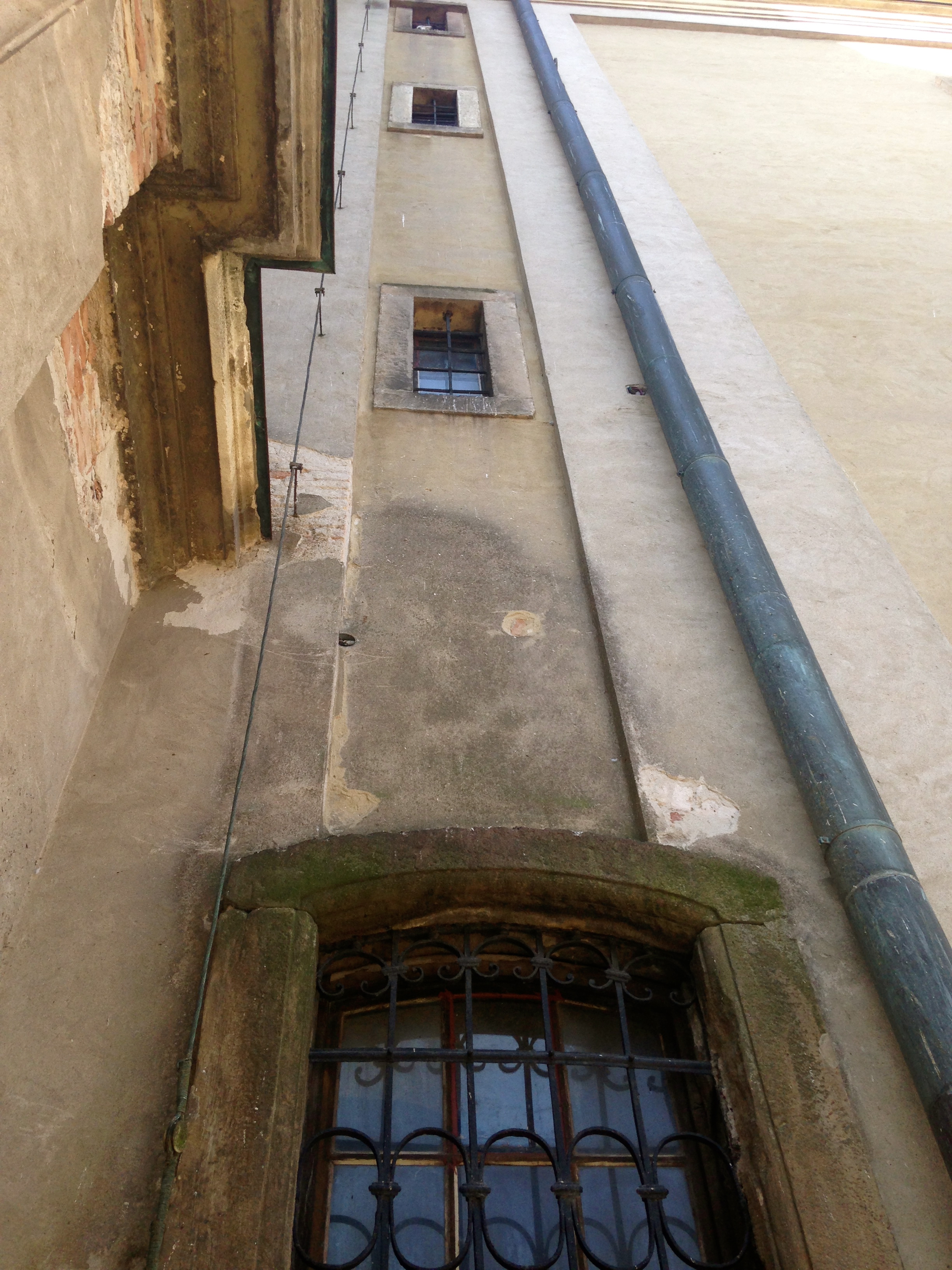
Our second stop on the tour was the city’s water tower, which honestly I was most excited to see up close. Being the sustainability nerd I am, I’m really interested in seeing how the groundwater is used and cleaned for all 30,000 inhabitants of the area.
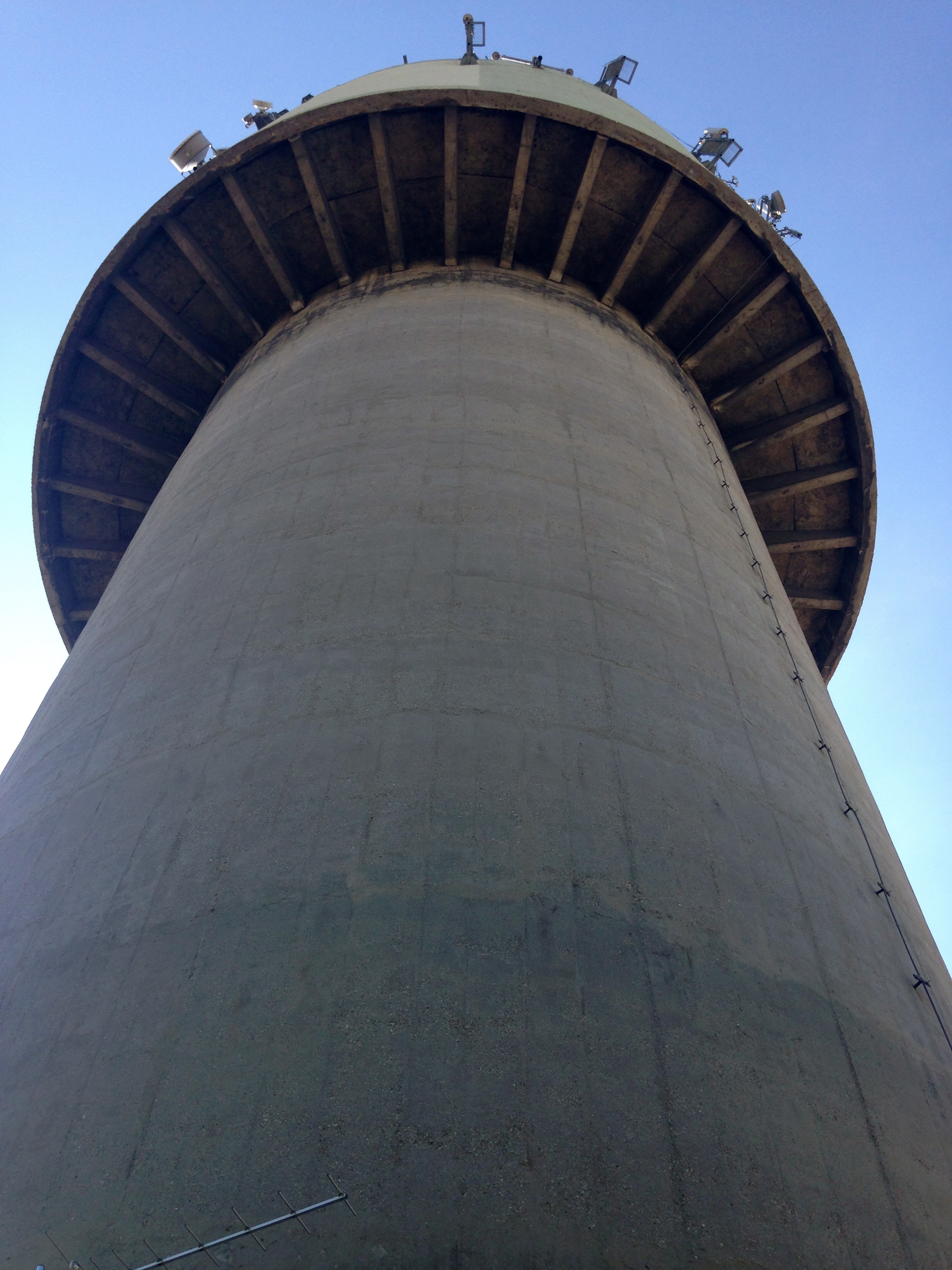
Alas, I again had to sit this climb out due to the height and stairs. I can’t concentrate on water filtering processes while having a panic attack.
Blue Dye Museum
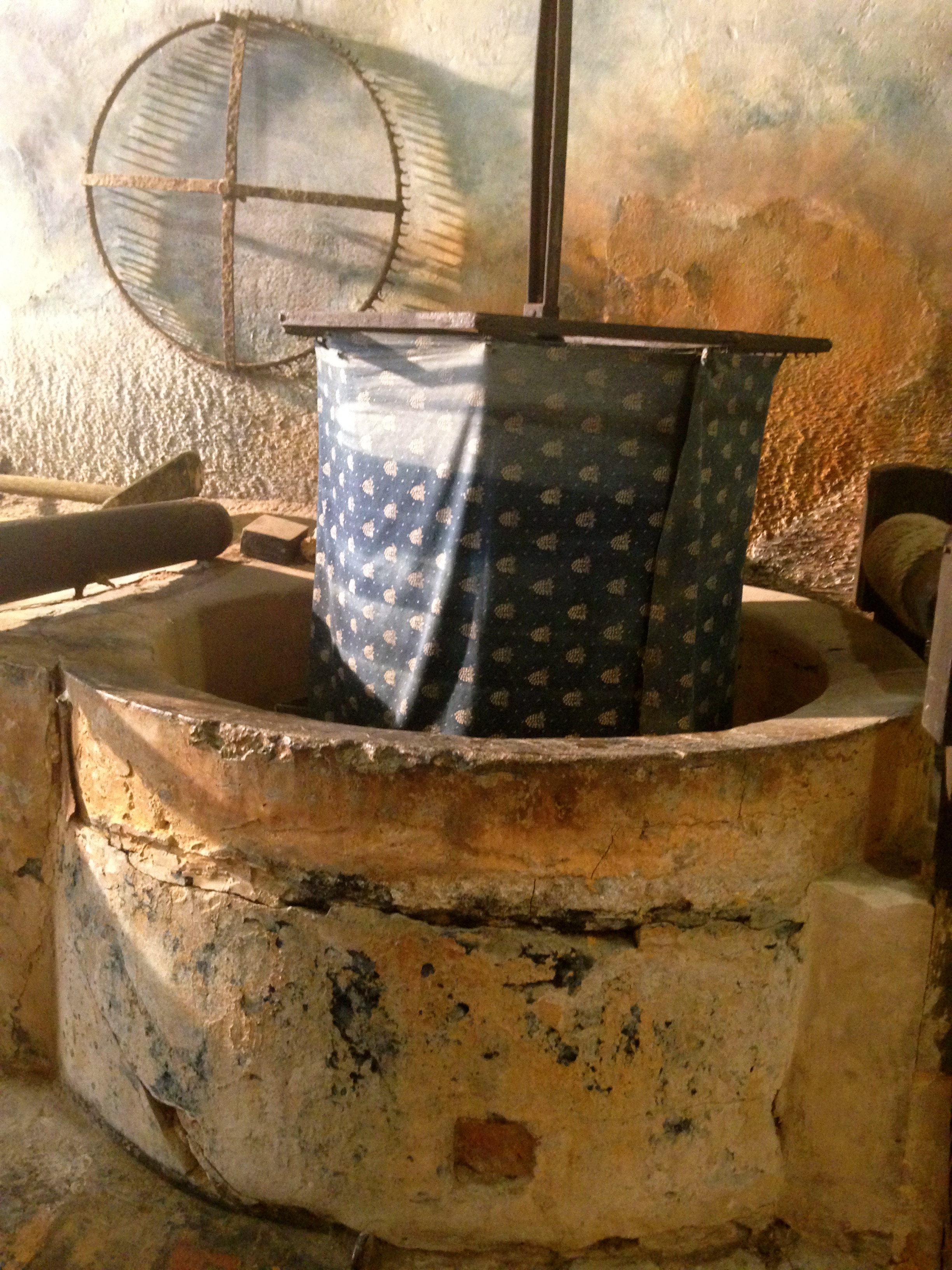
Pápa is home to the only blue dye museum in Central Europe. Again, our tour was led by our wonderful translator who actually worked for a couple of years at the museum before becoming a translator on base.
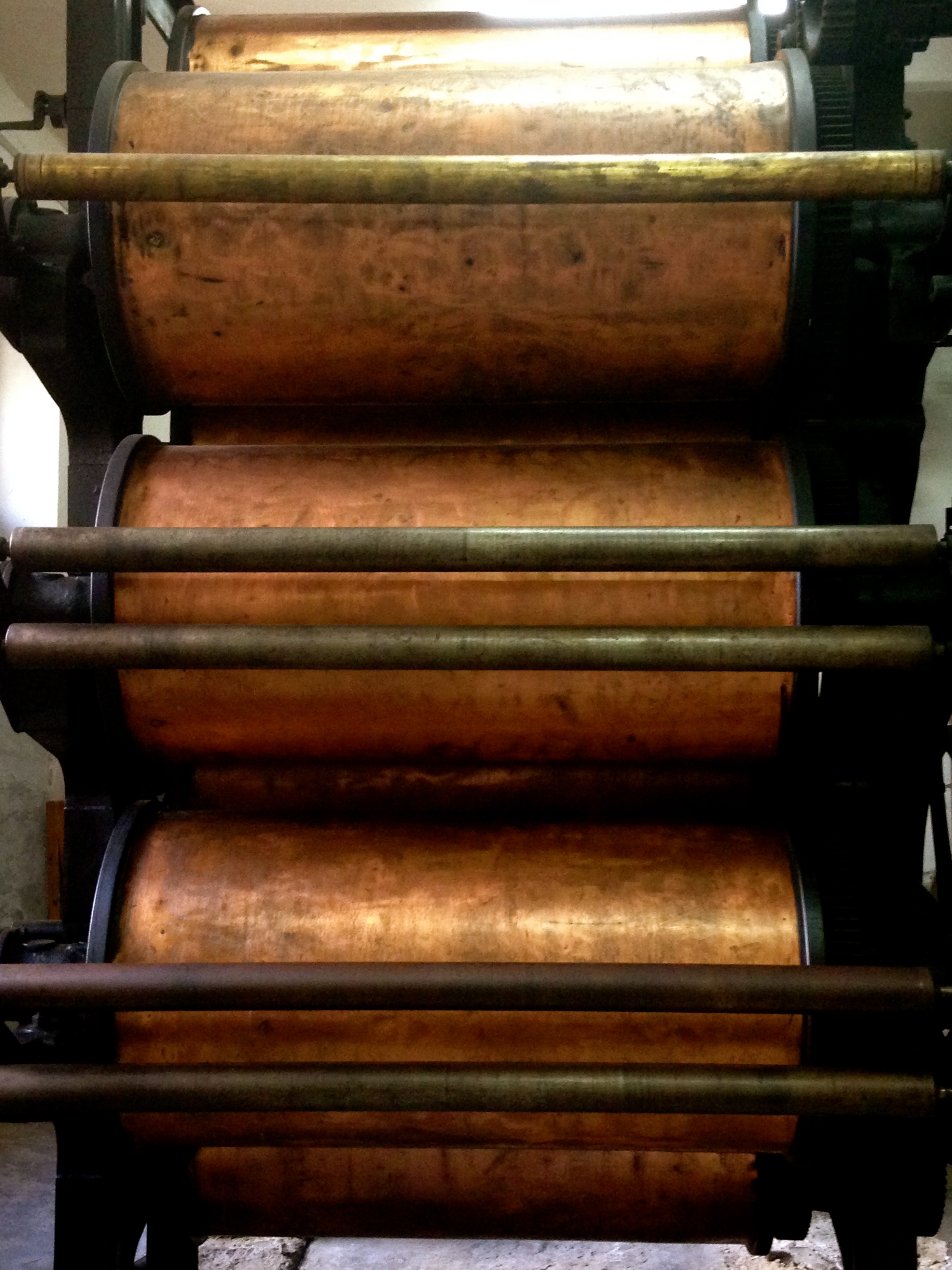
The Blue Dye Factory was built in 1784 on the banks of the Tapolca River. The German Kluge family operated the factory until it was taken over by the communists in the 1950s. Since then its been turned into a beautiful museum.

I’m going to quote the blue dying process (and its importance) from the website here:
In the second half of the 18th century, countries west of Hungary suffered from an overabundance of skilled laborers in the textile and dyeing industry. For this reason, individuals and entire families migrated to Hungary, thereby increasing the numbers of masters in the textile profession. Thus the ancestors of the Kluge family came to Hungary from Sorau in Saxony (Zary, Poland) bringing the new technology of textile printing with them, which was the reserve style cold indigo vat dyeing. Up until the middle of the 19th century, this kind of textile dyeing was called “Schön- und Schwarzfärber”. This also means that while the “Schönfärber” was doing “Beauty-dyeing”, cloth and linen dyeing, the “Schwarzfärber” was usually practising black dyeing.
The Eastern indigo reserve style was also appearing in the above mentioned areas at the beginning of the 18th century featuring the dyeing material, the indigo, which was providing the blue colour. Printing paste was applied to the printing which was protecting the basic white colour of the textile from turning blue. After several dips in the dye vats (küpa) and then after aeration due to the oxidation the reduced indigo began graduating the cotton and the linen clothes into blue. After dyeing the printing paste was taken off by a bath of hydrochloride-vitriolic acid and the basic white colour appeared. This blue and white colour was typical of the Eastern porcelains; therefore this new technology was called “Porcellandruck” by the dyers with the phrase “drucken auf Porcellan Art”.
So freaking gorgeous.


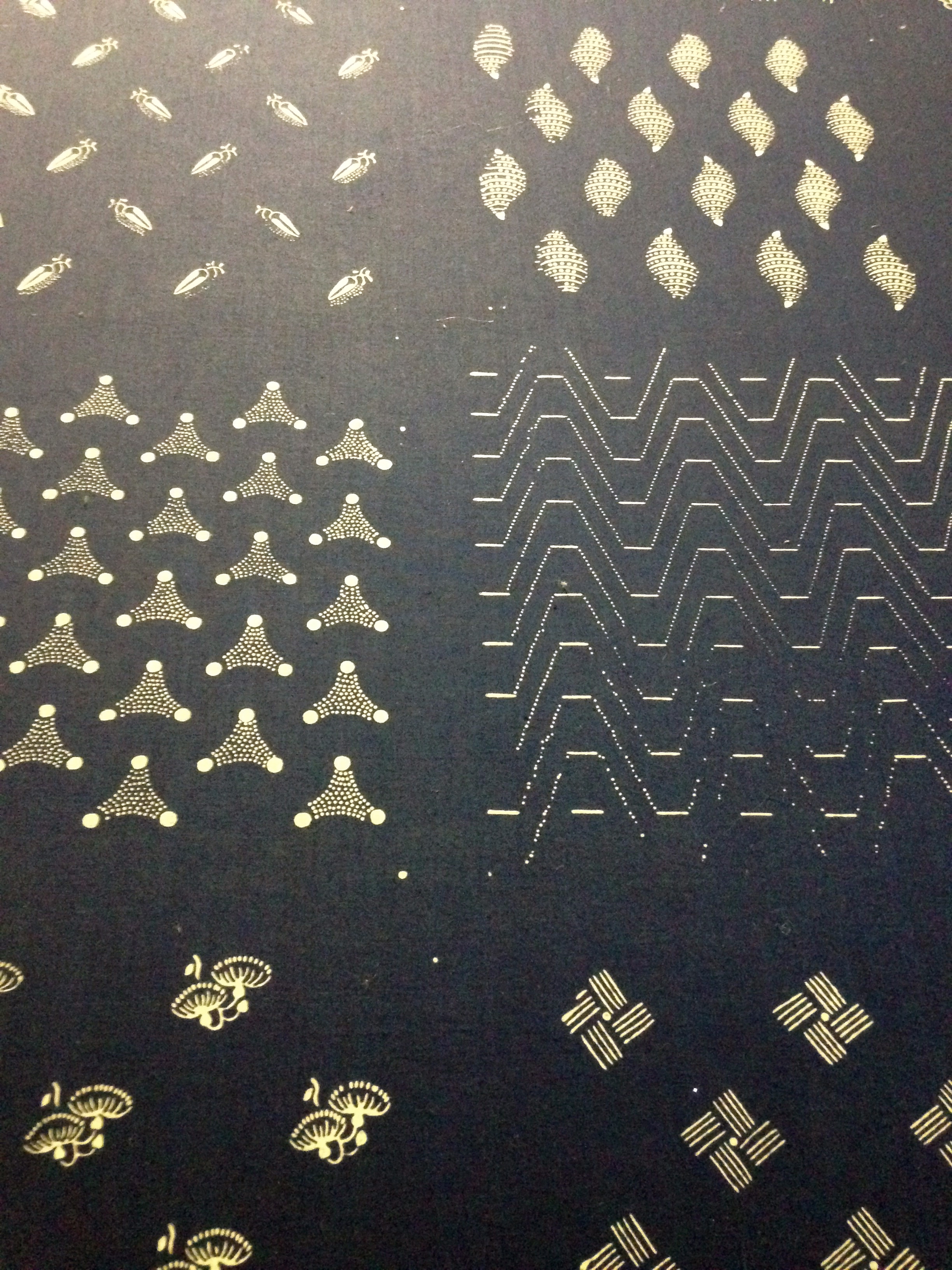
Anyone else think the middle pattern on the left could be the inspiration for the killer star guys in the Metropolis level of Sonic the Hedgehog 2?

Personal Updates: We officially moved into our house last week!


 middleworldadventures.com
Leave a reply to Betsy Spilis Cancel reply